
General contractor or project manager: what is the real difference?
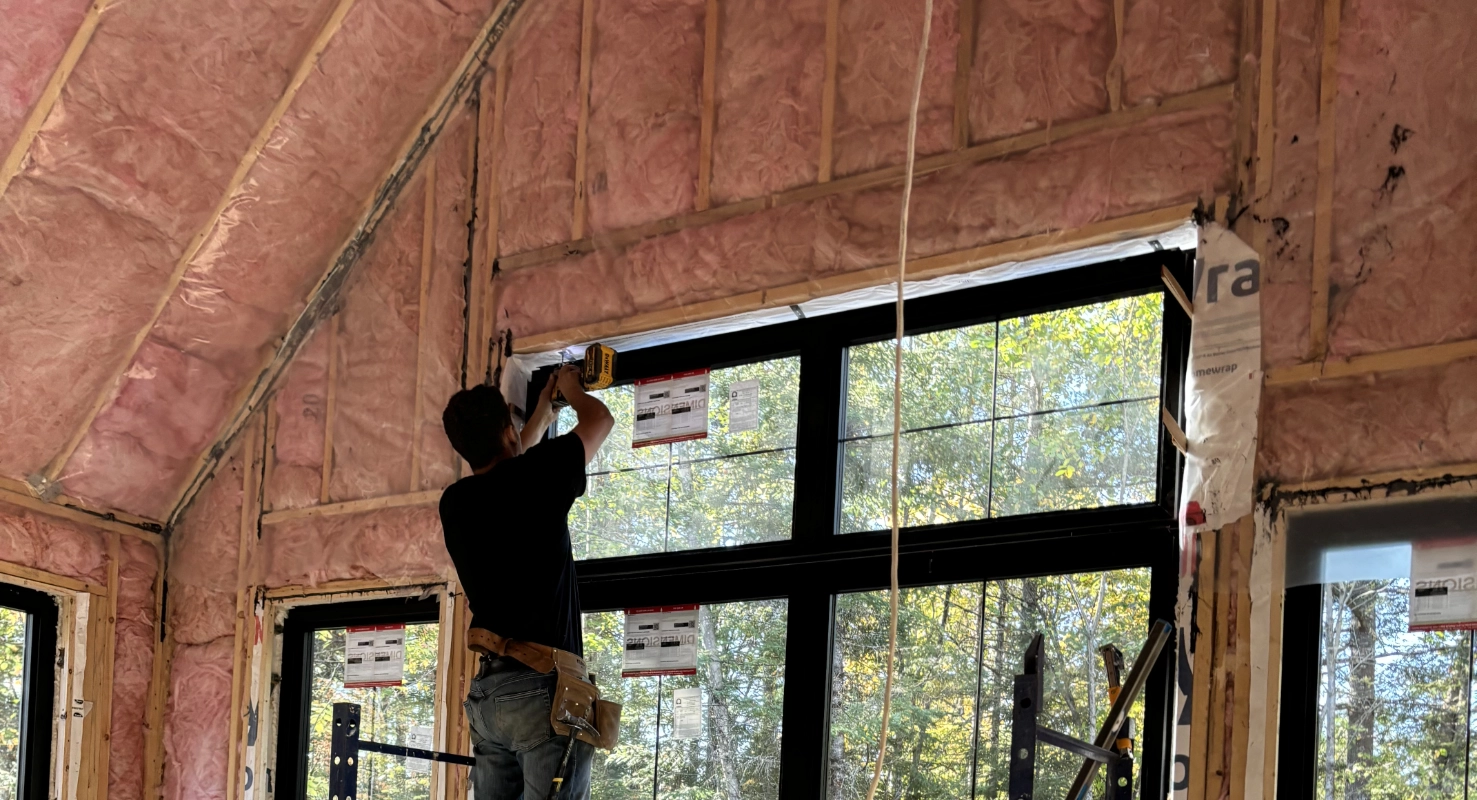
A general contractor executes the work and assumes full responsibility for the construction site. A project manager coordinates stakeholders without always carrying that contractual responsibility. This distinction directly affects risk allocation, timelines, and regulatory compliance. When a residential project involves municipal permits, inspections, and Quebec Construction Code standards, the choice of oversight model becomes strategic. O Design & Co. Construction operates precisely within this framework as a general contractor in Gatineau, with integrated management from start to finish.
General contractor: execution, contracts and single-point responsibility
A construction general contractor signs a comprehensive contract with the client. The subcontractors are then engaged under that contractor’s name. This means the contractor carries legal responsibility for the work performed.
In Quebec, the Régie du bâtiment du Québec (RBQ) requires a valid license to act as a general contractor. The RBQ public registry allows verification of authorized categories. This license governs structural work, framing, masonry, building systems, and finishing trades.
In practical terms, if an issue arises with the structure or building envelope, the client does not manage each stakeholder separately. The general contractor coordinates the corrective measures. This centralized responsibility reduces contractual disputes.
In Gatineau, where municipal inspections mark key stages of construction, this single-point responsibility simplifies compliance. The general contractor ensures that permit requirements and the applicable Code are respected.
Project manager: strategic coordination without direct execution
A project manager operates differently. The role involves planning, budgeting, and coordinating stakeholders, but not necessarily signing subcontract agreements under their own name. The client may therefore retain direct contracts with each trade.
Under this model, technical responsibility often remains fragmented. If a conflict arises between the electrician and the plumber, the project manager facilitates communication. However, contractual responsibility remains divided.
This management model may suit experienced clients who are able to take on an active role. However, it requires greater involvement in decisions and dispute resolution.
Thus, the real difference between a general contractor and a project manager rests on three axes :
– Who signs the contracts.
– Who assumes legal responsibility for the work.
– Who coordinates corrective actions in the event of defects.
These distinctions are not semantic. They alter the very structure of the project.
Impact on costs, timelines and risk
A general contractor establishes a global budget that includes subcontractors. This approach creates a consolidated view of costs. By contrast, a project manager may present a segmented budget with separate contracts.
From a scheduling standpoint, centralization speeds up decision-making. For example, in the event of a supply delay, the general contractor reorganizes the timeline without multiplying contractual negotiations.
In terms of risk, the difference becomes tangible. According to recognized industry best practices, single-point responsibility reduces grey areas. It also facilitates the application of the new residential buildings warranty plan administered by Garantie de construction résidentielle, when the project qualifies.
In Gatineau, climate constraints and energy requirements add another layer of complexity. Fragmented coordination increases the likelihood of interface errors between structure and insulation. Comprehensive management by a general contractor limits these discrepancies.
Regulatory compliance in Gatineau: a structural issue
Every residential project requires a permit issued by the City of Gatineau. Plans must comply with the Quebec Construction Code, which incorporates the National Building Code. The CNESST also imposes strict job site safety rules.
A general contractor ensures ongoing compliance. Mandatory inspections are scheduled at critical stages: foundations, structure, and envelope. This anticipation prevents work stoppages. Choosing a general contractor is therefore primarily about the ability to centralize compliance, from the initial permit to the final inspection.
In a pure project management model, compliance responsibility may be shared. The client must then ensure that each stakeholder meets the applicable standards.
O Design & Co. Construction: assumed responsibility, not theoretical coordination
Within a general contractor model, value does not lie in attending meetings, but in assuming responsibility on site. O Design & Co. Construction operates in Gatineau with this logic: one global contract, one single responsibility, one integrated execution.
In practical terms, subcontractors operate under our direct supervision. Structure, envelope, building systems, and finishes are planned as a coherent whole. This integration prevents technical gaps between trades.
When adjustments are required — plan modifications, soil-related constraints, structural adaptations — we integrate them into the overall schedule without transferring responsibility to the client. This is where a general contractor truly differs from a project manager: technical decisions and responsibility remain centralized.
We work with recurring local teams in Gatineau. This stability promotes continuity of execution and limits variations in quality. In a context where municipal inspections and climate conditions influence the pace of work, this operational consistency becomes decisive.
From the initial project analysis, we align budgetary, technical, and regulatory decisions. This upstream structure reduces costly revisions during construction and secures the entire process.
Our role as general contractor does not consist of remote supervision. It consists of executing, coordinating, and standing behind the final result.
Deciding based on the responsibility structure
Between a general contractor and a project manager, the real difference lies in contractual responsibility and direct execution. The former assumes, coordinates, and answers for the work. The latter plans and supports, without always carrying the legal risk.
For a residential project involving permits, inspections, and coordination of multiple trades, full management by a general contractor provides a clear structure.
A discussion with O Design & Co. Construction makes it possible to evaluate the oversight model best suited to your project, based on your desired level of involvement and the complexity of the work envisioned.
FAQ’s
What is the main difference between a general contractor and a project manager?
The general contractor executes the work and assumes contractual responsibility. The project manager coordinates without directly executing.
Can a project manager replace a general contractor?
A project manager can coordinate, but legal responsibility for the work remains divided among the different contracts.
Why choose a general contractor in Gatineau?
To centralize responsibility, simplify municipal compliance, and reduce the risk of disputes.
Who obtains the building permits?
In most cases, the general contractor prepares and coordinates the permit process.
Does O Design & Co. Construction operate only under full management?
O Design & Co. Construction primarily acts as a general contractor, with integrated oversight of the construction site.
More Posts
-
What Should You Prepare Before Meeting With Design-Build Experts?Read More
-
7 Mistakes That Drive Up Your Home Construction CostRead More
-
How Can You Better Coordinate Home Design And Build In Gatineau?Read More
-
Home Construction in Gatineau: Custom Home or Prefabricated HomeRead More
-
What type of structure is most common in home construction in Gatineau?Read More